
For more details, please visit here!
Institute of Nano Electronic Engineering
Universiti Malaysia Perlis
For more details, please visit here!

For more details please visit here.

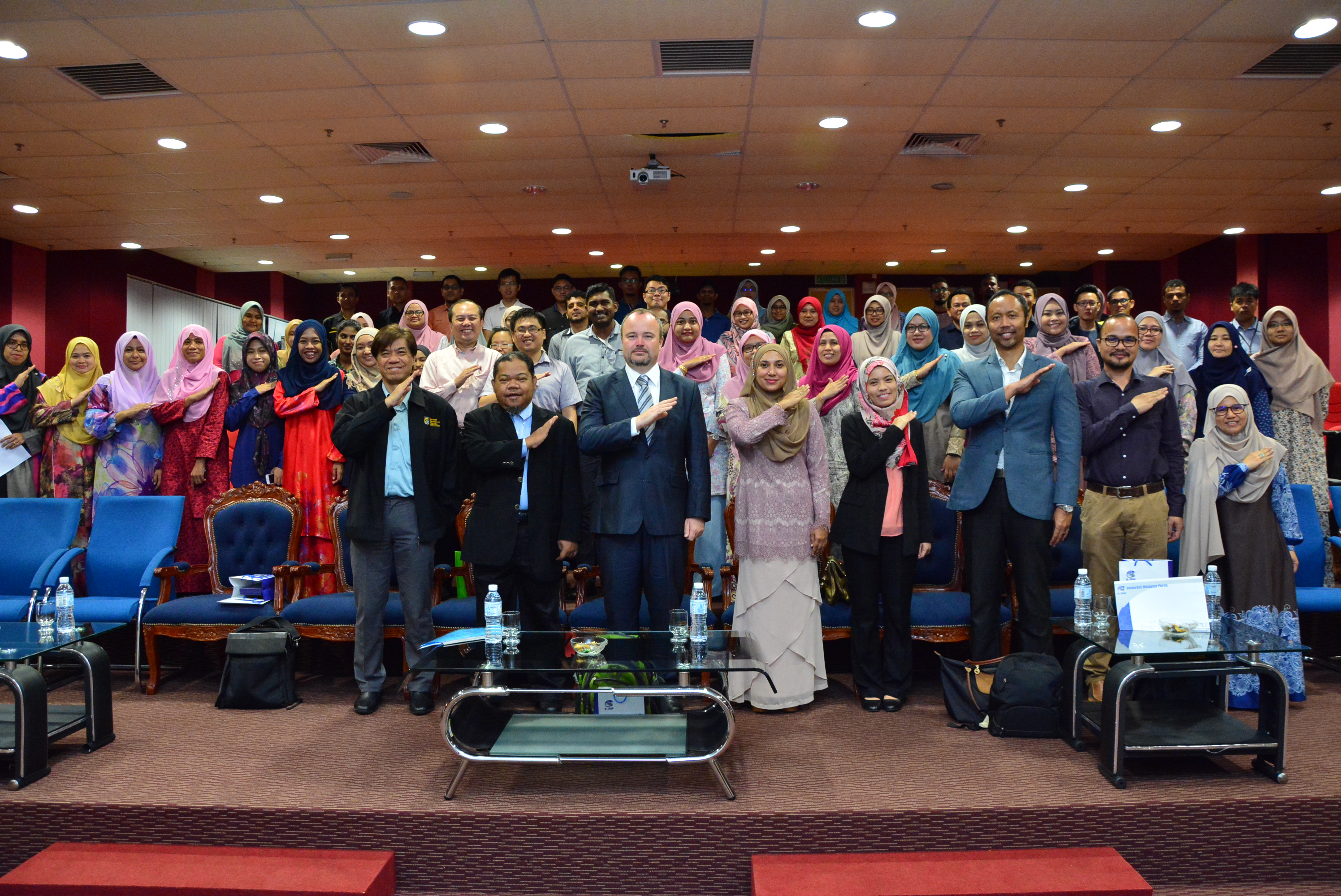
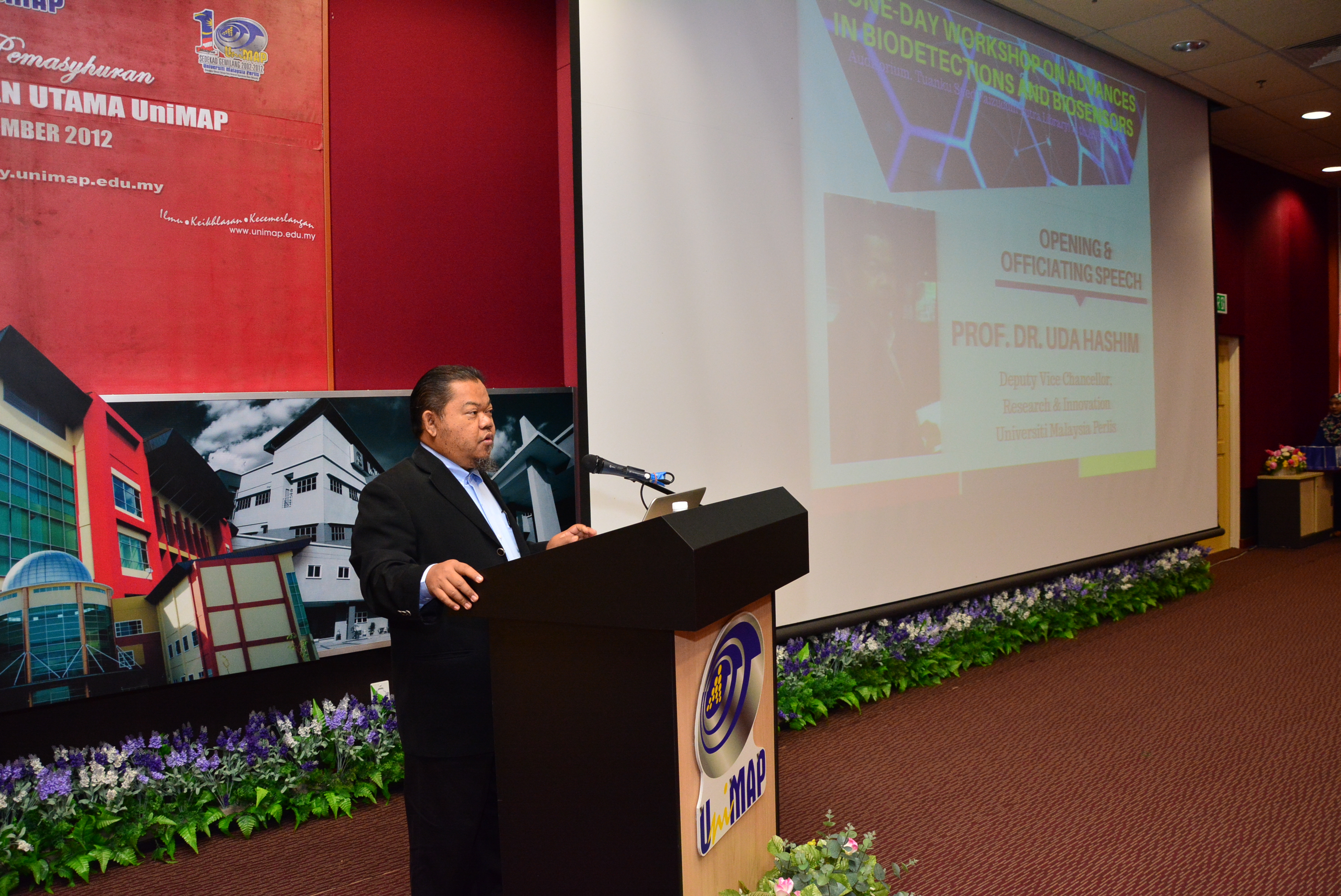
A one-day Workshop on Advances in Biodetections and Biosensors at Auditorium, Tuanku Syed Faizuddin Putra Library, Universiti Malaysia Perlis on 14th August 2017.
Speaker 1: Assoc. Prof. Dr. Bohuslav Rezek from Faculty of Electrical Engineering, Czech Technical University.
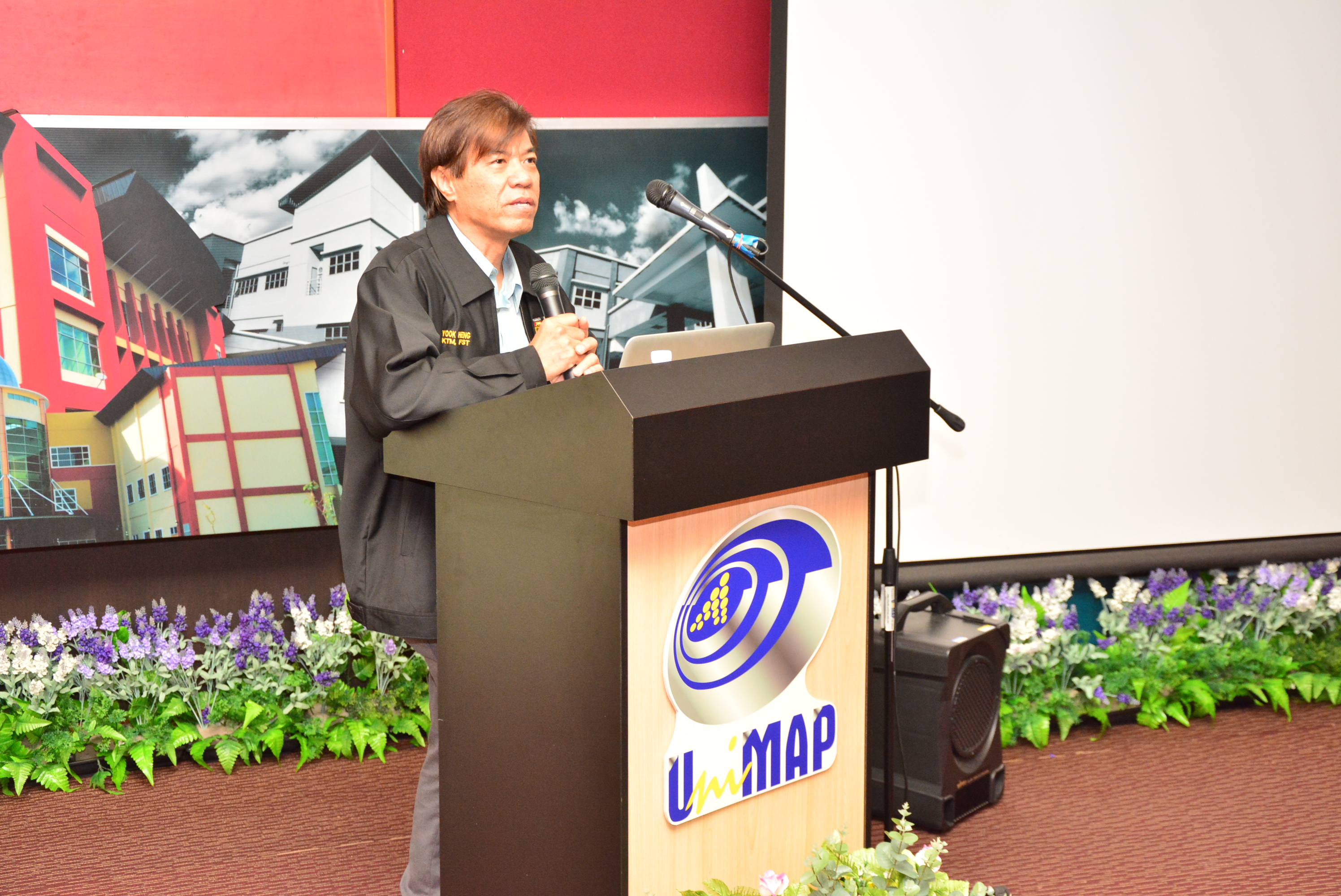
Speaker 2: Prof. Dr. Lee Yook Heng from School of Chemical Sciences and Food Technology, Universiti Kebangsaan Malaysia.
Speaker 3: Dr. Asilah Ahmad Tajudin from Faculty of Biotechnology and Biomolecular Sciences, Universiti Putra Malaysia.
Speaker 4: Dr. Rezal Khairi Ahmad, CEO of NanoMalaysia Berhad.








Abstract – This paper presents preparation and characterization of conventional enzyme-linked immunosorbent assay (ELISA) for cardiac troponin detection to determine the selectivity of the cardiac troponin monoclonal antibodies. Monoclonal antibodies, used to capture and bind the targets in this experiment, are cTnI monoclonal antibody (MAb-cTnI) and cTnT monoclonal antibody (MAb-cTnT), while both cardiac troponin I (cTnI) and T (cTnT) are used as targets. ELISA is performed inside two microtiter plates for MAb-cTnI and MAb-cTnT. For each plate, monoclonal antibodies are tested by various concentrations of cTnI and cTnT ranging from 0-6400 μg/l. The binding selectivity and level of detection between monoclonal antibodies and antigen are determined through visual observation based on the color change inside each well on the plate. ELISA reader is further used to quantitatively measured the optical density of the color changes, thus produced more accurate reading. The results from this experiment are utilized to justify the use of these monoclonal antibodies as bio-receptors for cardiac troponin detection by using field-effect transistor (FET)-based biosensors coupled with substrate-gate in the future.
Corresponding Author: Ruslinda A. Rahim
Corresponding Author’s Email: ruslinda@unimap.edu.my
Abstract text: PDF
Abstract – Anxiety is a psychological problem that often emerges during the normal course of human life. The detection of anxiety often involves a physical exam and a self-reporting questionnaire. However, these approaches have limitations, as the data might lack reliability and consistency upon application to the same population over time. Furthermore, there might be varying understanding and interpretations of the particular question by the participant, which necessitating the approach of using biomarker-based measurement for stress diagnosis. The most prominent biomarker related to stress, hormone cortisol, plays a key role in the fight-or-flight situation, alters the immune response, and suppresses the digestive and the reproductive systems. We have taken the endeavour to review the available aptamer-based biosensor (aptasensor) for cortisol detection. The potential point-of-care diagnostic strategies that could be harnessed for the aptasensing of cortisol were also envisaged.
Keywords – anxiety, cortisol, aptasensor, aptamer
Corresponding Author: Ruslinda A. Rahim
Corresponding Author’s Email: ruslinda@unimap.edu.my
Full text: PDF